


Members of the SCA-UK board (2024-2026) and UKBC ’26 Competitors
July 15, 2026Members of the SCA-UK board (2024-2026) and UKBC ’26 Competitors
July 15, 2026Compact Coffee Machines: Why Hot Water Demand Matters More Than You Think
Compact commercial coffee machines can be an excellent solution when space, power supply or expected drink volumes make a larger machine unnecessary.
For smaller hospitality venues, restaurants, hotels, offices and businesses introducing a speciality coffee offer, a compact machine paired with the right entry-level grinder can provide a capable, professional setup without over-specifying the equipment.
But there is one part of the drinks menu that is particularly easy to underestimate when choosing a compact machine: hot water demand.
In the UK, tea and Americano sales can place considerable additional pressure on an espresso machine. This becomes especially important with compact 13amp machines, which typically have less boiler capacity and available power than larger commercial machines.
That means choosing the right setup is not simply about how many coffees you expect to sell. You also need to consider what those drinks are, how much hot water they require and when that demand is likely to peak.
Where Compact Coffee Machines Make Sense
Not every business needs a large two or three-group espresso machine.
If your coffee volumes are relatively modest, counter space is limited or the site only has access to a standard 13amp power supply, a compact commercial machine can make much more sense.
Matched with an appropriately specified grinder, it can give you the ability to serve quality espresso-based drinks without investing in capacity your business simply does not need.
The important part is making sure the equipment is selected around how your business will actually use it.
And that means looking beyond espresso.
The Hot Water Demand That Is Easy to Overlook
Think about a typical UK drinks menu.
Alongside espresso, cappuccinos, flat whites and lattes, you may also be serving Americanos, breakfast tea, speciality teas and other drinks that require considerably more hot water.
One Americano is unlikely to create a problem. Neither is one pot of tea.
The challenge comes during busy periods when several of these drinks are ordered at the same time.
When a compact espresso machine is repeatedly dispensing larger quantities of hot water, its boiler has to refill and recover while the machine may also be expected to produce espresso and steam milk.
This is why a machine that looks perfectly capable based on your average number of coffees per day can feel very different during a busy service.
Peak Demand Matters More Than Daily Volume
When specifying coffee equipment, average daily sales only tell part of the story.
Twenty drinks spread over an hour create a very different workload from twenty drinks ordered within ten minutes.
The type of drink matters too.
A business serving predominantly espresso and milk-based drinks will place a different demand on its equipment from a venue selling a similar number of drinks but with a high proportion of tea and Americanos.
This is particularly relevant in hotels, restaurants, garden centres, offices and other hospitality settings where several hot drinks may be ordered together.
Understanding those peaks before choosing your equipment can help prevent workflow problems later.
Why a Dedicated Hot Water Boiler Can Help
When specifying coffee equipment, average daily sales only tell part of the story.
Where hot water demand is likely to be significant, a separate hot water boiler can be worth considering alongside a compact espresso machine.
Instead of asking the espresso machine to provide large quantities of hot water as well as producing espresso and steam, the two jobs can be separated.
This can help to:
- provide quick access to hot water during busy periods
- reduce repeated large-volume draws from the espresso machine
- improve workflow behind the counter
- give greater control over hot water temperature, consistency and taste quality
- reduce unnecessary demand on the espresso machine
- allow your team to concentrate on espresso preparation, milk texture and customer service
The point is not simply to add more equipment to the counter.
It is about making sure the equipment you already have can concentrate on the jobs it was primarily selected to perform.
Where Filter Coffee Batch Brewing Fits In
Hot water is not the only area where an espresso setup can end up doing more work than necessary.
If your business has regular demand for black coffee, relying on individually prepared espresso-based drinks for every customer may not always be the most efficient way to serve them.
A filter coffee batch brewer allows larger quantities of coffee to be prepared consistently for periods of higher demand.
For the right venue, this can help:
- speed up service during peak periods
- reduce the amount of staff time required for each individual drink
- provide more consistent, higher-quality filter coffee
- broaden the coffee menu beyond espresso-based drinks
- reduce congestion around the espresso machine
- make it easier to serve larger groups or periods of concentrated demand
Hotels, breakfast services, conference venues, restaurants, offices and high-volume hospitality environments can all experience periods where having coffee ready to serve makes considerably more operational sense than preparing every drink individually.
Consistency Without Adding Complexity
Consistency is one of the biggest challenges in any commercial coffee operation.
Different members of staff, different shift patterns and busy service periods can all introduce variation.
Dedicated equipment can help remove some of that variation.
A batch brewer allows recipes, volumes and brewing processes to be controlled more consistently, while a dedicated hot water boiler provides a separate source of hot water without repeatedly interrupting the espresso workflow.
That can make service easier for the team while helping customers receive a more consistent drink from one visit to the next.
Taking Pressure Off Your Espresso Setup
Your espresso machine and grinder are central to your coffee operation, so it makes sense to avoid placing unnecessary demand on them.
Repeatedly drawing large quantities of hot water from a compact espresso machine can place additional demand on its boiler and recovery capacity, potentially affecting thermal stability during busy periods.
Likewise, if every black coffee has to pass through the espresso workflow, the machine and grinder are being used for drinks that could potentially be produced more efficiently another way.
By directing the right jobs to the right equipment, you can reduce unnecessary demand on your main espresso setup.
Over time, that can also help reduce unnecessary wear and potentially reduce servicing and downtime.
Better Workflow Can Mean Better Business
The commercial benefits go beyond making life easier for the barista.
If your team can prepare drinks more quickly and consistently, customers spend less time waiting.
A dedicated hot water supply can make serving tea and Americanos faster, while batch brewing can make larger volumes of coffee available without requiring every drink to be prepared individually.
That can mean:
- quicker service at busy times
- lower labour input per filter coffee
- the ability to serve more customers during peak periods, supporting higher turnover
- a broader hot drinks offering
- more consistent drinks
- less pressure on staff and equipment
For the right business, filter coffee can also become more than a secondary menu item. Served well and consistently, it can create an additional revenue stream alongside espresso-based drinks.
Don't Forget the Grinder
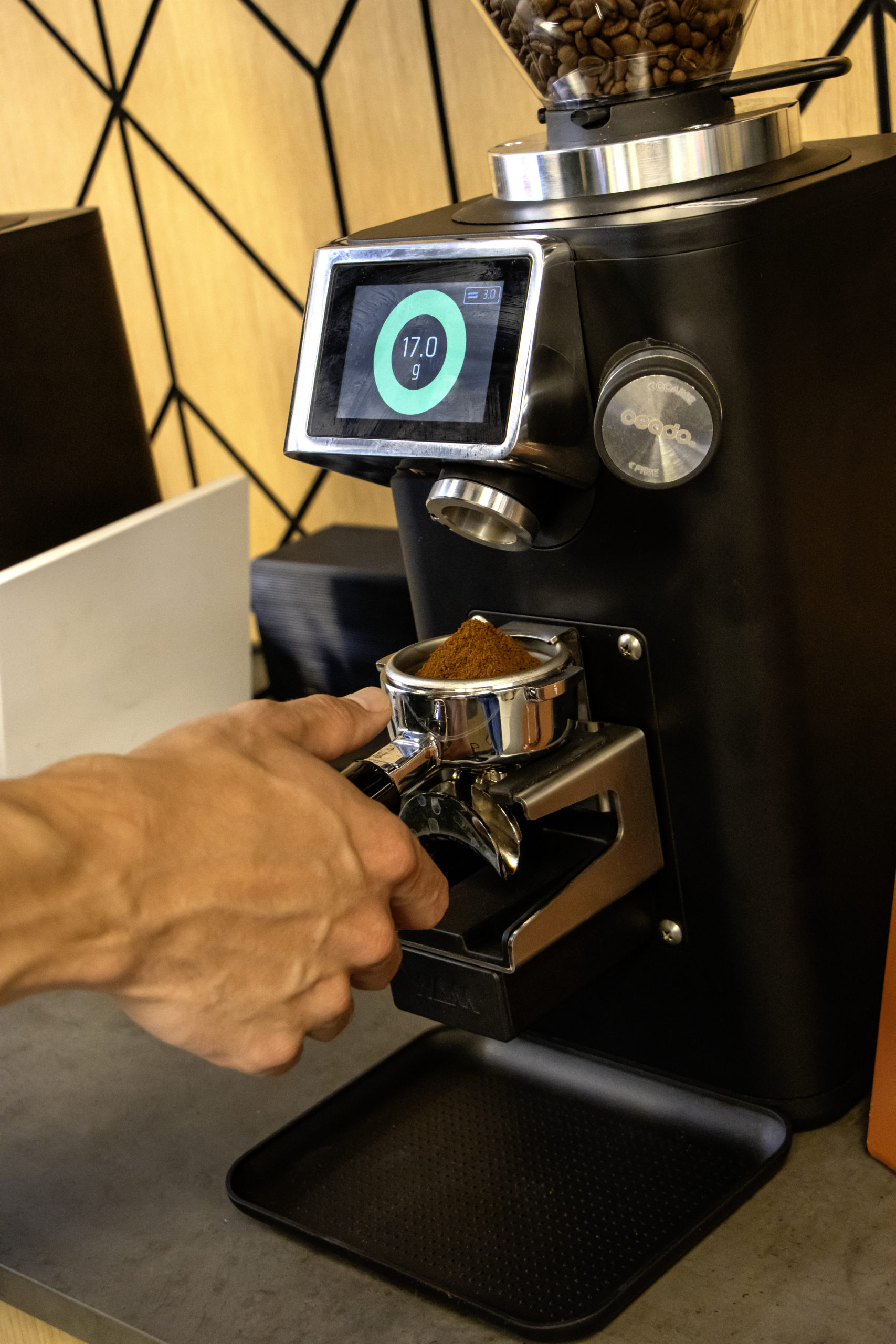
The espresso machine is only one part of a good coffee setup. For businesses considering a compact machine, an entry-level commercial grinder can often provide the right balance between quality, performance and investment, provided it is correctly matched to expected demand. Bigger is not automatically better. The grinder needs to suit your drink volume, busiest service periods, available space and the level of consistency your operation requires. This is why it makes sense to consider the machine, grinder and wider workflow together rather than choosing each piece of equipment in isolation.
Specify for the Drinks You Actually Sell: One of the most useful questions to ask when choosing a coffee machine is not simply: "How many coffees will we sell?"
A better question is: "What drinks will we be making, and when will customers be ordering them?"
A business selling 100 predominantly milk-based coffees can have very different equipment requirements from one serving 100 drinks split between espresso, Americanos, tea and filter coffee. Understanding that mix before buying equipment helps you choose a setup that works during the periods when you need it most.
Get the Whole Setup Right from the Start
Compact commercial coffee machines can be an excellent option for businesses that do not require the capacity of a larger espresso machine.
The key is choosing one with a realistic understanding of the demands you will place on it.
Think about espresso volume, milk steaming, peak service periods, hot water usage and whether filter coffee could be produced more efficiently away from the espresso machine.
At Brew-It Group, we can help you look at the complete picture and specify an espresso machine and grinder that suit your space, power supply, drinks menu and expected demand.
Because the best coffee setup is not necessarily the biggest or most expensive.
It is the one that works properly for the way your business actually operates.
Latest Blogs

Discover what happens during the coffee roasting process, from drying to first crack and beyond. Learn how each stage shapes flavour, and explore how tools like the Link sample roaster bring precision, control, and consistency to every roast.
The answer is often far higher than café owners expect. Between overdosing, dialling in, remade drinks and inconsistent preparation, many cafés lose hundreds, sometimes thousands, of pounds every year through coffee waste alone.

We sat down with members of the SCA-UK board and UKBC '26 Competitors for a relaxed conversation about the competition, the work that goes on behind the scenes.
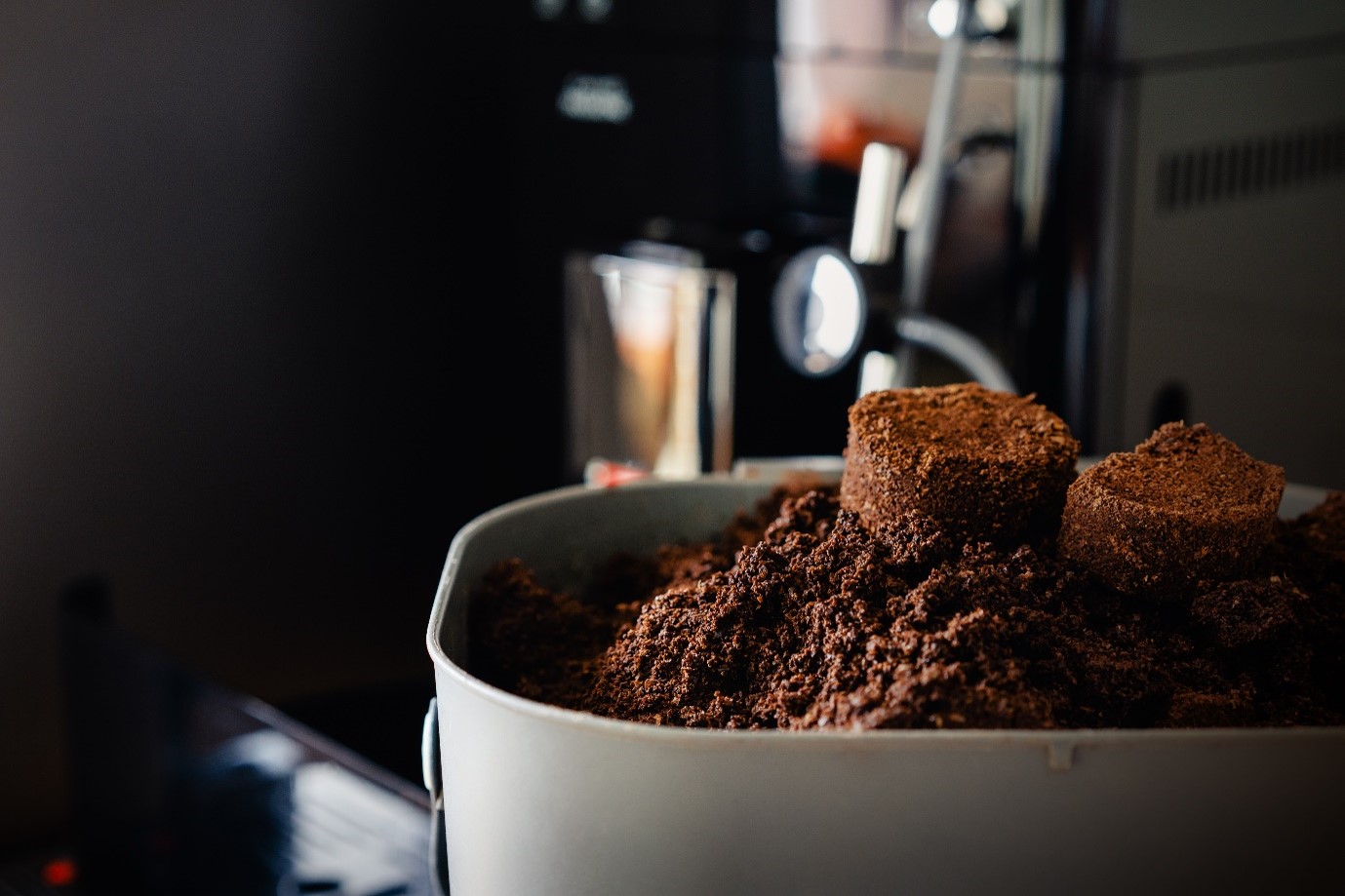
The answer is often far higher than café owners expect. Between overdosing, dialling in, remade drinks and inconsistent preparation, many cafés lose hundreds, sometimes thousands, of pounds every year through coffee waste alone.

Whether you're opening a new café, upgrading equipment or investing in a grinder for a hotel, restaurant or coffee roastery, choosing the right commercial coffee grinder is an important decision.

Are you tired of the inconsistency in your milk steaming process? Struggling to maintain a high standard of quality when barista staff turnover is high? Look no further, because Brew-it Group is here to revolutionise your coffee experience with The Perfect Moose - the automated milk steamer that promises to deliver the perfect frothy goodness, every time!

When it comes to coffee grinding, precision and innovation are key. Mahlkönig, a revered name in the coffee industry, has introduced the EK Omnia grinder, a machine designed to transform your coffee brewing experience. This remarkable grinder offers a range of features and capabilities that cater to the diverse needs of professional baristas and coffee shops. Let's delve into the details of what makes the Mahlkönig EK Omnia a game-changer.

Achieving perfection in every cup is both an art and a science. The delicate balance of flavours, aroma, and texture demands a meticulous approach, and one key factor that significantly contributes to this is the implementation of advanced technology. Automation and consistency, often synonymous with precision, have become the pillars of modern coffee craftsmanship. Automation and consistency are both paramount in the coffee industry and the tools that can help deliver on this are as follows: La Spaziale S9 DSP, Anfim Luna, Puqpress Q2, Perfect Moose Greg/Jack, FLOW telemetry, and HeyCafe HC880/EK43 in this quest for perfection.

Precision matters in coffee. And for baristas chasing consistency and speed without overcomplicating their workflow, the La Spaziale S21 Chrono hits the mark. This new version of the trusted S21 keeps everything that made the original so reliable, powerful steam, and adds a major upgrade, integrated shot timers as standard. That’s right, real-time extraction tracking is now built right into the machine, no add-ons required. The S21 is also available in a Compact (Spazio) version, but only the standard 2-group and 3-group models include the Chrono function. This latest design also incorporates more polymer panelling for a lightweight, modern finish.

Consistency. Speed. Ergonomics. These three words define the needs of any modern café looking to deliver high-quality espresso at scale. The PUQ Press Pro automatic tamper answers this call with unmatched precision, improved workflow features, and a design built for performance in the most demanding environments.
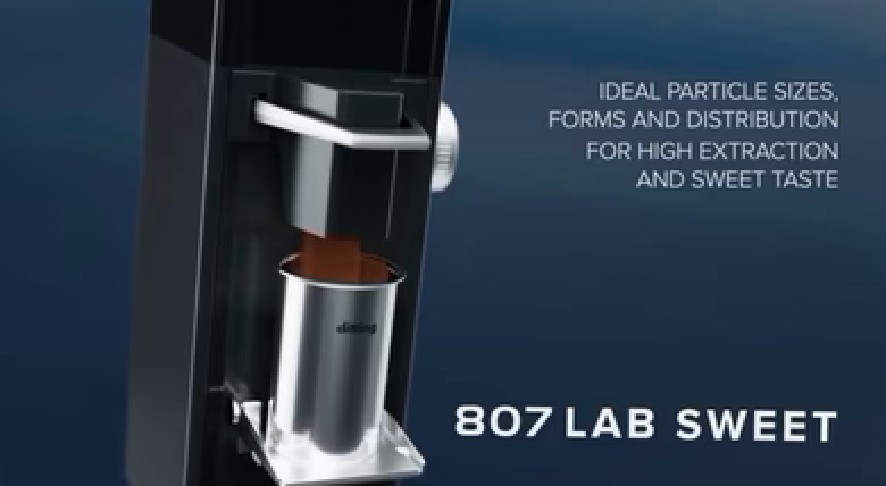
For those passionate about coffee, the quality of the grinder is just as crucial as the beans themselves. When it comes to precision, consistency.

There's often a misconception that achieving café-quality espresso at home or in a small business requires a significant financial investment. However, we're here to debunk that myth. Today, we're highlighting an exceptional trio of coffee equipment – the La Spaziale S21 espresso machine, the HeyCafe Buddy grinder, and the Puqpress Gen 5 Q1 Automatic Coffee Tamper – proving that excellence in coffee brewing doesn't have to come with an exorbitant price tag, we believe in value without compromising the quality.